A gate burned, a gate rebuilt
دروازهای که سوخت، دروازهای که از نو ساخته میشود
330 BC — The fire
Xerxes raised the Gate of All Nations as the entrance to Persepolis, the ceremonial heart of the Achaemenid Empire. Delegations from every corner of the known world — Egypt, Babylon, India, Greece, Nubia — passed between its winged lamassu guardians, bringing gifts, not armies.
Then Alexander came. Persepolis was put to the torch, and the palace of a hundred columns fell to ash. The gate survived as a ruin: two colossal bull-men still standing watch over an empty plain in Fars, Iran — today a UNESCO World Heritage site.
Today — The rebuilding
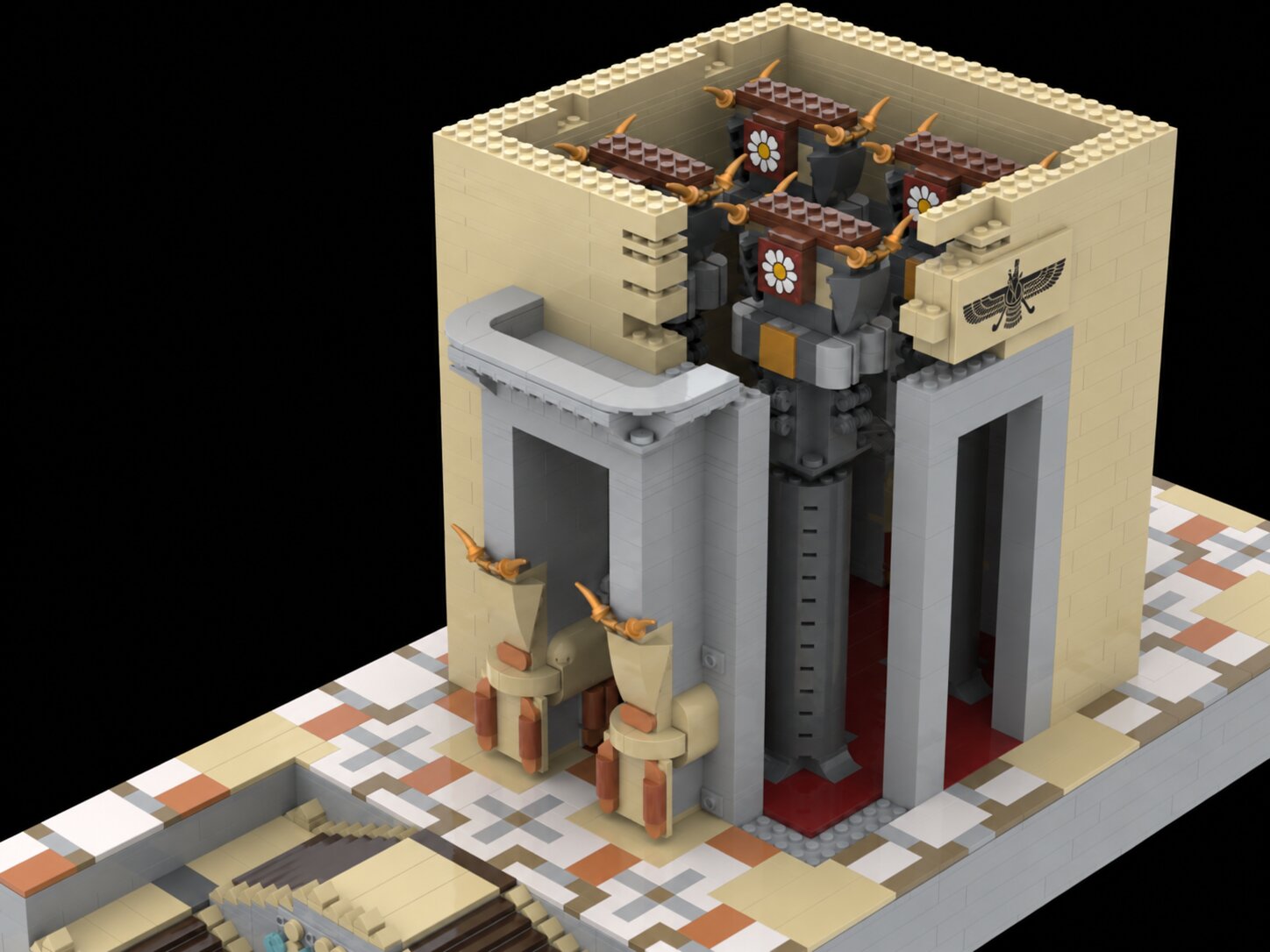
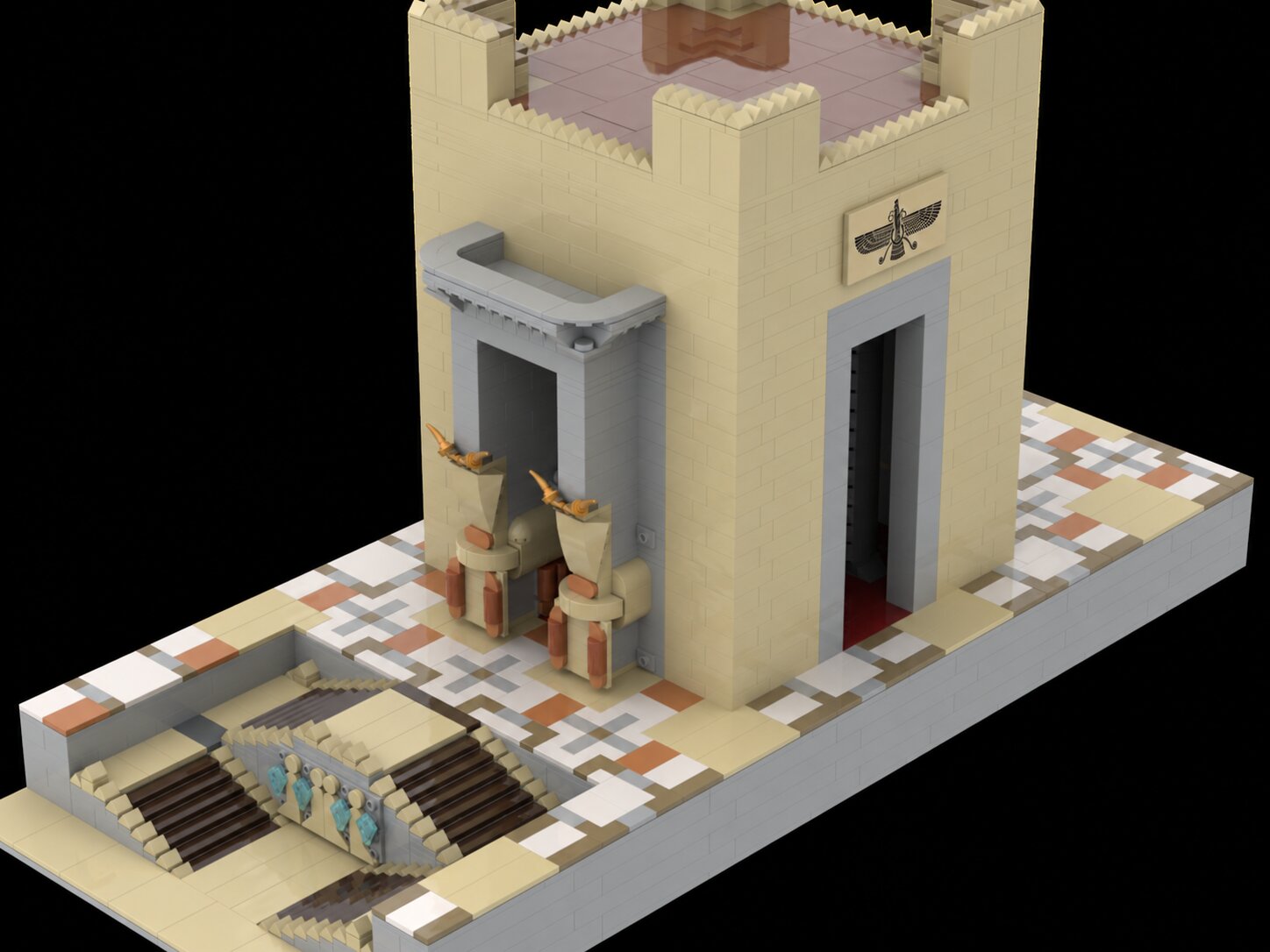
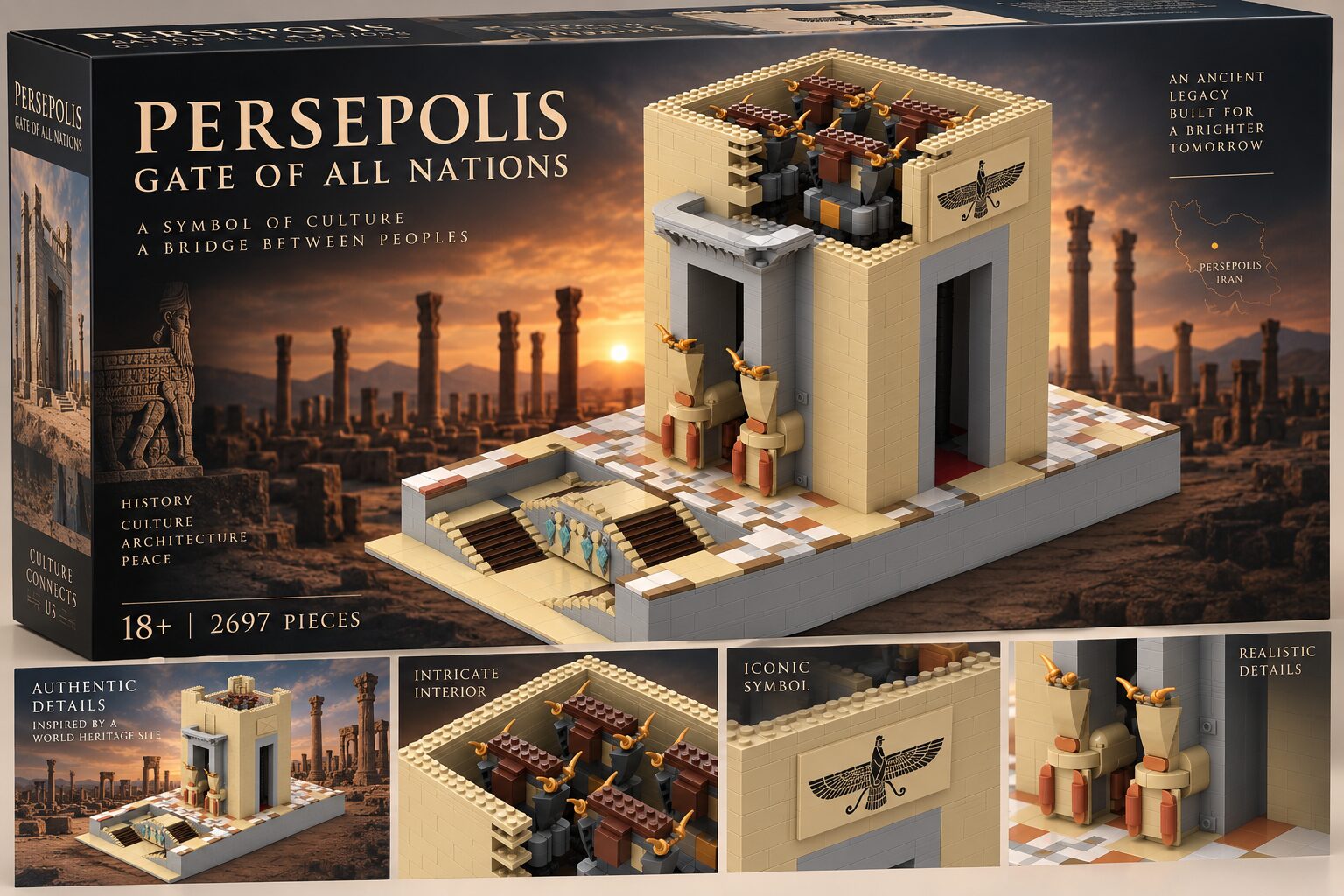
You cannot un-burn a palace. But you can rebuild its memory — on your own table, one brick at a time. This set recreates the gate as it stood: the limestone portal, the lamassu with their gilded horns, the Faravahar relief, the grand double staircase with its procession of tribute-bearers in glazed turquoise.
Every build is a small act of remembrance. For Iranians far from home, it is a piece of home. For everyone else, it is an invitation through the gate that was open to all nations.
فرهنگ، ما را به هم پیوند میدهد.
Culture connects us.